

Choosing the right type of window can completely transform the look, comfort, and value of your home. Among the most popular styles for homeowners who want to add space, natural light, and character are bay and bow windows.
While they may appear similar at first glance, these two window designs have distinct differences in structure, appearance, and function. Understanding these differences will help you make an informed choice that matches your home’s architecture and your personal style.
Bay vs Bow Windows: What Sets Them Apart
Bay and bow windows are both projection windows, meaning they extend outward from the main walls of a house. This extension creates extra interior space and enhances curb appeal. Both designs are favourites among homeowners who want to open up their rooms with expansive views and improved ventilation.
Despite their similarities, the differences between a bay and bow window can affect everything from room layout to energy efficiency.
Bay windows typically have three sections, while bow windows are made up of four or more panels. These structural variations lead to distinct aesthetic results and practical benefits.
Related Article: Comparing Window Types: Which One Is Right for You?
What Is a Bay Window?
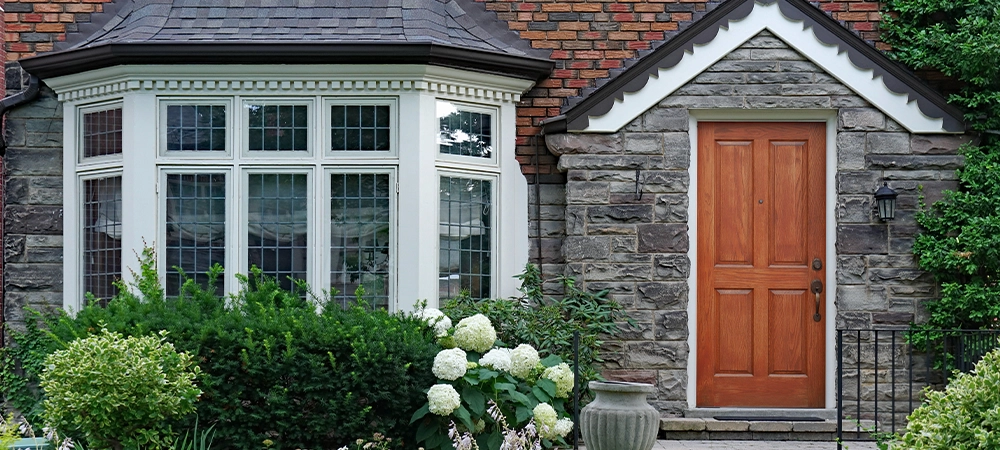
A bay window is a window unit that projects outward from the home in a more angular form. It usually consists of three window panels:
- A large fixed picture window in the centre
- Two smaller operable windows on either side, often casement or double-hung styles
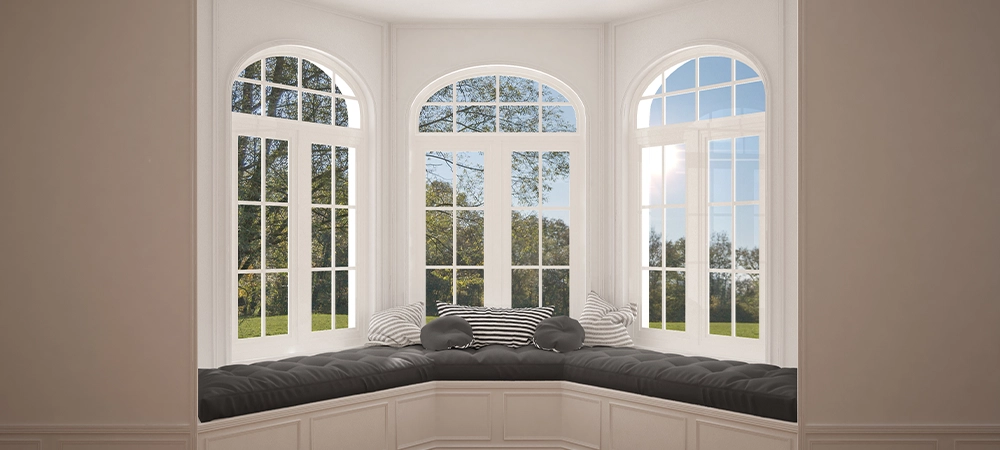
This arrangement creates a sharp angle that gives bay windows their signature look. The result is a structure that allows more sunlight into the room and creates a cozy alcove that homeowners often use as a reading nook, breakfast corner, or decorative ledge.
Key features of bay windows:
- Usually built with three panels
- Creates sharp angles and a more modern profile
- Adds extra floor space inside the room
- Works well in both traditional and contemporary homes
Related Article: What Is the Difference Between Double-Hung and Casement Windows, and Which Is Right for Your Home?
What Is a Bow Window?
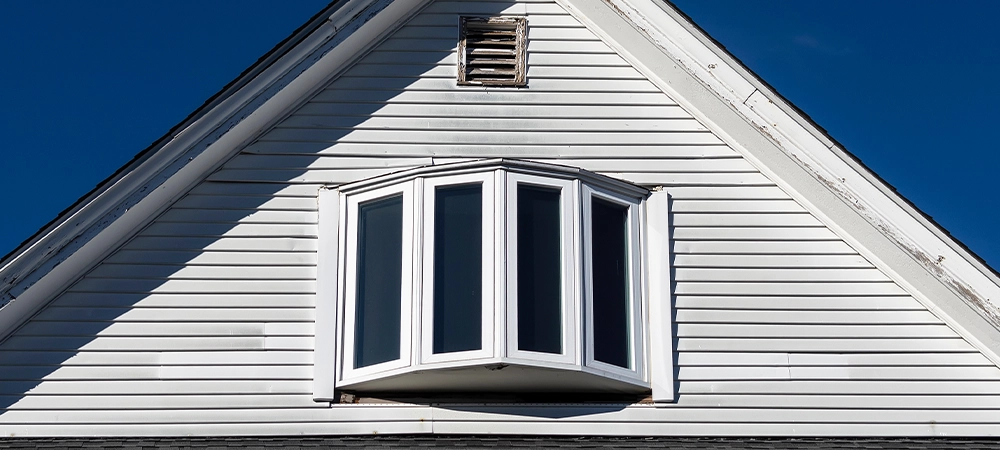
Bow windows take a softer, more curved approach to projection window design. Instead of three panels, bow windows are made up of four to six equal-sized window units arranged in a gentle arc. This design results in a rounded appearance on the home’s exterior and a sweeping panoramic view from inside.
Bow windows are often chosen for larger wall spaces and are especially effective in creating a feeling of openness. Because of the extra glass panels, they allow more natural light to enter the home compared to bay windows.
Key features of bow windows:
- Made with four to six panels
- Creates a curved, elegant design
- Provides wider views of the outdoors
- Enhances the classic charm of Victorian and traditional-style homes
Structural Differences Between Bay and Bow Windows
Although both extend outward, the construction of bay and bow windows differs in ways that affect their performance and appearance.
- Shape: Bay windows create angular lines with their three-panel setup, while bow windows curve gently outward with four or more panels.
- Size: Bay windows require less wall space and are suitable for smaller rooms, whereas bow windows need a broader opening to accommodate their arc.
- Ventilation: With side panels that open, bay windows generally offer better airflow. Bow windows can include operable panels but are often chosen with fixed panes for a seamless curved look.
- Light: Bow windows let in more natural light due to their additional glass surfaces.
Style and Aesthetic Considerations
When deciding between bay and bow windows, style is a major factor. Bay windows provide a bold, angular profile that suits modern homes or those with clean architectural lines. Bow windows, on the other hand, deliver a more graceful, rounded exterior that complements traditional or period-style houses.
Inside the home, bay windows create a defined nook space, making them practical for extra seating or shelving. Bow windows, with their broader curve, extend the room in a subtler way, offering more panoramic outdoor views and a sense of spaciousness.
Energy Efficiency and Comfort
Both bay and bow windows can be manufactured with energy-efficient glass and insulated frames to reduce heat loss and drafts. At GTA Direct Windows & Doors, all bay and bow windows are made with premium Canadian vinyl that provides excellent insulation and long-lasting durability.
Bay windows, with fewer panels, have fewer seams where air could escape. Bow windows, with their multiple sections, may require additional sealing to achieve the same level of efficiency. However, both can perform exceptionally well when properly manufactured and installed.
Related Article: What Makes a Window Energy Efficient?
Cost Considerations
The cost difference between bay and bow windows is another important factor. Bay windows are usually more affordable because they use fewer panels and require less structural work. Bow windows, with their four to six panels and curved design, are more complex to install and therefore tend to be more expensive.
That said, both window types add value to a home by improving curb appeal, increasing usable space, and enhancing natural light—benefits that make them a smart long-term investment.
Practical Uses in Your Home
- Bay windows: Ideal for kitchens, dining rooms, and bedrooms where a cozy alcove can be enjoyed. Many homeowners install a bench seat or small table in the bay area.
- Bow windows: Perfect for living rooms and family rooms where you want expansive outdoor views and maximum light. The curved design creates a grand, elegant focal point.
Both styles can be customized to fit your home’s architecture, with options for glass type, frame colour, and additional features such as grids or decorative trim.
Bay vs Bow: Which One Should You Choose?
Choosing between a bay and bow window depends on your priorities:
- Choose a bay window if you want a bold, angular look, more ventilation, and a functional nook.
- Choose a bow window if you prefer a graceful curve, panoramic views, and maximum natural light.
Your decision may also come down to available wall space and budget. Smaller rooms often benefit from bay windows, while larger living spaces are perfect for bow windows.
Related Article: Why Should Custom Doors and Windows Be Part of Your Home Renovation Plan?
Why Work with GTA Direct Windows & Doors?
At GTA Direct Windows & Doors, we specialize in high-quality bay and bow windows designed for Toronto’s climate. With over 30 years of experience, our team provides expert guidance to help you choose the right style for your home.
Our windows are 100% Canadian-made and built to strict energy efficiency standards.
You’ll benefit from:
- Lifetime transferable warranty for peace of mind
- Professional installation by skilled experts
- Energy-efficient designs that reduce heating and cooling costs
- Custom options to match your home’s style
- Affordable pricing with savings of up to 30%
Whether you are replacing outdated windows or upgrading to a new style, we ensure a seamless process from consultation to installation.
Moving Forward with Confidence
Both bay and bow windows bring beauty, light, and extra space into your home. The right choice depends on your style preferences, budget, and how you want to use the additional space.
With expert advice and high-quality products from GTA Direct Windows & Doors, you can be confident your investment will enhance your home’s comfort and value for years to come.
Upgrade Your Home with Bay or Bow Windows
Ready to transform your home with stunning bay or bow windows? GTA Direct Windows & Doors offers Canadian-made, energy-efficient designs backed by a lifetime transferable warranty.
Call us today or request your free estimate online to start your upgrade.
FAQs
- Which window style increases home value more—bay or bow windows?
Both add value, but bow windows often create a grander, more luxurious look that can boost curb appeal in larger homes. Bay windows, while simpler, also increase value by adding functional interior space. - Can either bay or bow windows be installed on upper floors?
Yes. With proper structural support, both styles can be installed on second or even third floors. Professional installers reinforce framing to safely handle the added weight and projection. - Do bay and bow windows require more maintenance than standard windows?
Not necessarily. Maintenance is similar to other vinyl or glass windows—regular cleaning, checking seals, and ensuring caulking is intact. Bow windows may require a bit more attention due to their multiple seams. - Are custom sizes available for bay and bow windows?
Yes. Bay and bow windows can be custom-built to fit unique wall dimensions, room layouts, and style preferences, making them suitable for both modern and traditional homes. - Can I add window treatments to bay and bow windows?
Absolutely. Blinds, curtains, or custom-fit shades can be installed to enhance privacy and style. Many homeowners choose curved curtain rods or layered treatments for a polished look.