
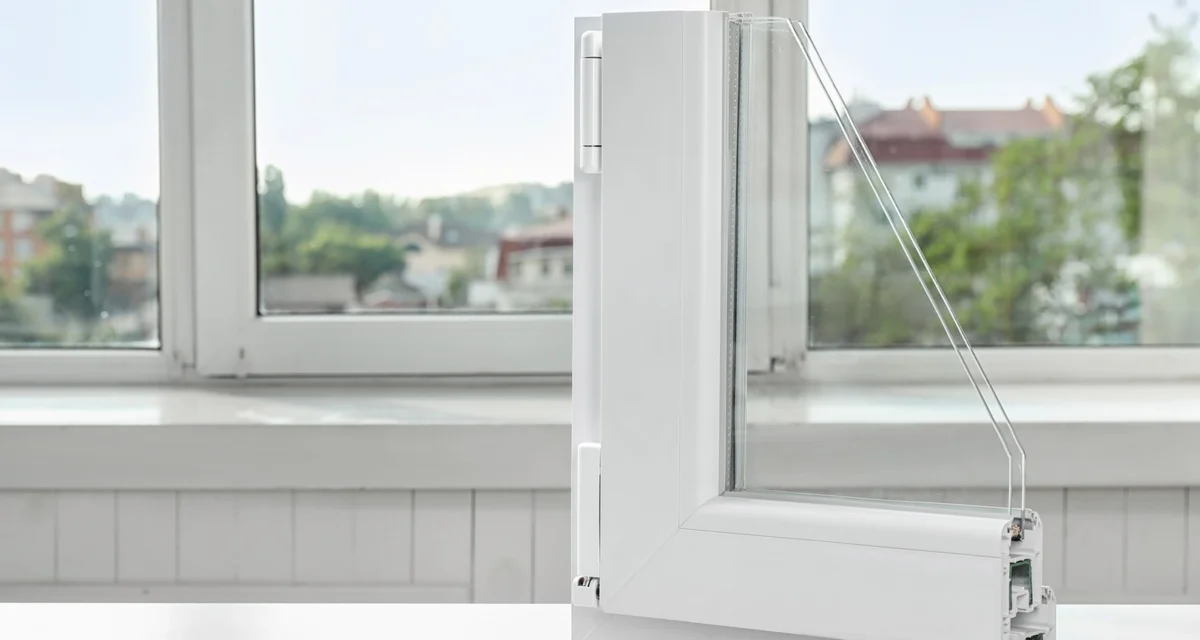
Windows play a major role in the look, comfort, and efficiency of a home. When replacing or upgrading, many homeowners narrow their choices down to vinyl or aluminum. Both materials have strengths, and each can be the right choice depending on your budget, climate, and design goals.
To make an informed decision, it helps to weigh the pros and cons of vinyl versus aluminum windows.
Related Article: Comparing Window Types: Which One Is Right for You?
Introduction to Vinyl and Aluminum Windows
Vinyl and aluminum are two of the most popular window frame materials in Canadian homes. Vinyl windows are made from polyvinyl chloride (PVC), which is known for being energy-efficient and low-maintenance. Aluminum windows, on the other hand, are made from lightweight yet strong metal that offers a sleek and modern appearance.
GTA Direct Windows & Doors, a trusted provider in the Greater Toronto Area, specializes in energy-efficient vinyl windows but also works with homeowners who are comparing multiple materials. With over 30 years of experience, they know the performance differences firsthand. Below, we’ll break down the pros and cons of each option.
Pros of Vinyl Windows
Vinyl windows are a common choice for homeowners looking for a balance of efficiency, affordability, and durability.
1. Energy Efficiency
Vinyl is a natural insulator, which helps reduce heat transfer. This means lower heating costs in the winter and cooler interiors in the summer. Many vinyl frames come with multiple chambers inside that further boost insulation.
2. Affordability
Vinyl windows typically cost less than aluminum. For homeowners replacing several windows at once, vinyl provides significant savings without compromising performance.
3. Low Maintenance
Unlike wood, vinyl does not rot, peel, or require repainting. A simple wipe with soap and water is enough to keep vinyl windows looking clean for years.
4. Design Variety
Vinyl windows come in a wide range of colours, finishes, and styles. They can mimic the appearance of wood or be customized to fit modern designs.
5. Noise Reduction
Because vinyl frames are thicker and insulating, they often provide better noise reduction compared to aluminum, making them ideal for urban or high-traffic areas.
Related Article: What Makes a Window Energy Efficient?
Cons of Vinyl Windows
While vinyl offers many benefits, there are a few trade-offs to consider.
1. Less Structural Strength
Vinyl frames are not as strong as aluminum. This limits their use in very large window openings, where aluminum or reinforced materials may be required.
2. Limited Colour Choices
Although vinyl comes in many colours, darker shades can sometimes fade in direct sunlight over time. High-quality Canadian-made vinyl helps reduce this issue, but it is still worth noting.
3. Expansion and Contraction
Vinyl can expand and contract with temperature changes. In extreme climates, this can cause slight warping or affect the seal if not manufactured and installed correctly.
Pros of Aluminum Windows
Aluminum windows have long been popular for commercial and modern residential projects. They are prized for their strength and sleek design.
1. Strength and Durability
Aluminum frames are stronger than vinyl, allowing for larger panes of glass and thinner frames. This is ideal for modern homes that feature wide, unobstructed views.
2. Slim Profiles
Because of their structural strength, aluminum windows can have narrower frames, letting in more natural light and giving a minimalist look.
3. Longevity
Aluminum is highly resistant to cracking or chipping. With proper care, aluminum frames can last decades without major issues.
4. Fire Resistance
Unlike vinyl, which can soften under high heat, aluminum is non-combustible. This makes it a safer choice in areas where fire resistance is a concern.
5. Modern Aesthetics
Aluminum’s clean lines and metallic finishes pair well with contemporary architectural styles. They are often chosen for high-end custom builds.
Cons of Aluminum Windows
Despite their strengths, aluminum windows have certain drawbacks.
1. Poor Insulation
Aluminum is a conductor of heat and cold, meaning it transfers temperature more easily than vinyl. Without thermal breaks, aluminum windows can make homes feel drafty and increase energy bills.
2. Condensation Issues
Because of its conductivity, aluminum is more prone to condensation, which can lead to moisture build-up and potential mould problems if not addressed.
3. Higher Cost
Aluminum windows are generally more expensive than vinyl. Their sleek design and durability come at a higher upfront price.
4. Maintenance
Although aluminum does not rot, it can corrode, especially in coastal or humid environments. Protective coatings help, but some upkeep may still be required.
5. Noise Transmission
Unlike vinyl, aluminum does not insulate well against outside noise. Homes near highways, airports, or busy streets may experience more sound intrusion with aluminum frames.
Related Article: 7 Clear Signs It’s Time to Replace Your Windows

Comparing Vinyl vs. Aluminum Windows
To help visualize the differences, here’s a quick side-by-side comparison:
| Feature | Vinyl Windows | Aluminum Windows |
| Energy Efficiency | Excellent insulator | Poor, unless thermally broken |
| Cost | More affordable | Higher upfront investment |
| Strength | Good for standard sizes | Stronger, supports large panes |
| Maintenance | Low maintenance | Needs coating against corrosion |
| Noise Reduction | Strong insulation | Less effective |
| Lifespan | 20–30 years | 30–40 years (with care) |
| Design Options | Wide variety | Sleek, modern, but limited colours |
| Best For | Homes prioritizing energy efficiency and affordability | Modern designs, large windows, high-end builds |
Which Window Material Is Best for You?
Choosing between vinyl and aluminum comes down to your priorities.
- Choose Vinyl If:
- Energy efficiency and comfort are top concerns.
- You want affordable windows with minimal maintenance.
- You live in a colder climate where insulation matters most.
- Choose Aluminum If:
- You want sleek, modern aesthetics.
- Your design includes large windows or wide glass panels.
- You are willing to invest more upfront for durability and style.
For many Canadian homeowners, vinyl is the practical choice because it provides excellent insulation against cold winters while remaining cost-effective. Aluminum, while more common in modern builds, may require additional thermal breaks or insulation features to perform well in the same climate.
How GTA Direct Windows & Doors Can Help
GTA Direct Windows & Doors offers Canadian-made vinyl windows known for their durability, energy efficiency, and lifetime transferable warranty. Our products are designed for the Canadian climate, ensuring that expansion, fading, and insulation are carefully addressed during manufacturing.
With over 30 years in the industry, we provide expert consultation, free estimates, and professional installation, ensuring you select the right window type for your home.
Whether you’re replacing old frames or considering a complete upgrade, our selection covers both traditional and modern styles.
FAQs
- Which type of window is easier to install, vinyl or aluminum?
Vinyl windows are generally easier and quicker to install because they are lightweight and designed to fit standard residential openings. Aluminum windows may require more precise installation, especially for large or custom-sized frames. - How long do vinyl and aluminum windows last in Canadian climates?
Vinyl windows typically last 20–30 years, while aluminum can last 30–40 years with proper care. However, vinyl often performs better in cold Canadian winters due to its insulating properties. - Do new windows increase the resale value of a home?
Yes. Replacing old windows with modern vinyl or aluminum options can boost curb appeal and energy efficiency, both of which improve home resale value. Vinyl often delivers a higher return on investment because of its lower upfront cost and efficiency. - Are vinyl or aluminum windows more eco-friendly?
Both materials have eco-friendly benefits. Vinyl windows improve energy efficiency, reducing heating and cooling use. Aluminum is recyclable and long-lasting, making it a sustainable choice for modern builds. - Which type of window requires more long-term maintenance?
Vinyl requires minimal upkeep—just occasional cleaning. Aluminum, while strong, may need periodic coating or treatment to prevent corrosion, especially in humid or coastal environments.
Making a Confident Choice
Both vinyl and aluminum windows have clear advantages, but the right choice depends on your home’s design and your personal priorities. By comparing performance, cost, and style, you can confidently invest in windows that will improve comfort, energy efficiency, and curb appeal.
If you’re still unsure, working with an experienced provider like GTA Direct Windows & Doors ensures you’ll get professional advice and reliable installation for long-lasting results.
Upgrading Your Windows?
Contact us today for a free consultation and estimate. Our experts will help you choose between vinyl and aluminum windows, ensuring your investment adds value, comfort, and style to your home.